VectisView

Reflections on Island life…
Bronwyn Hamilton Brown
Founder of Solent Transport Users Group
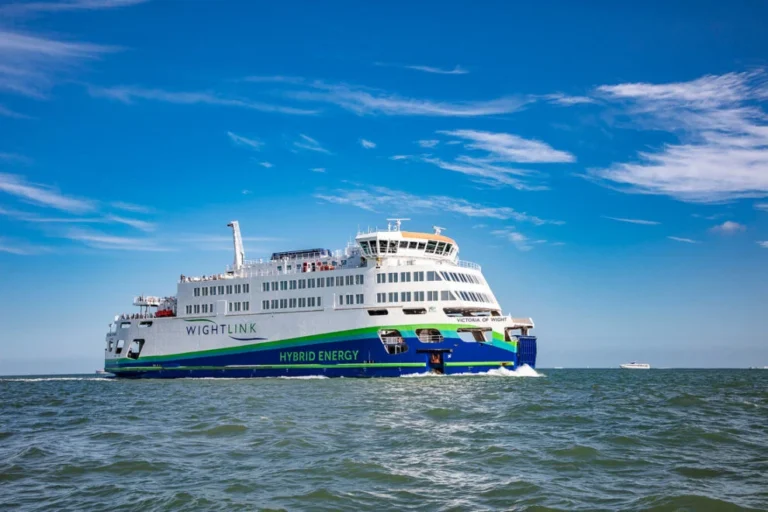
For those of us who live on the Isle of Wight, the ferry is not an optional extra. It is our bridge to the mainland. It is how many of us get to work, attend university, access healthcare, maintain family relationships and take advantage of opportunities that most people can reach by road or rail.
That is why I have been attending the series of meetings organised by the Department for Transport on behalf of the Solent Transport Users Group (STUG). The discussions provide a rare opportunity to put the experiences of Island residents directly before decision-makers and to demand answers to questions that have long gone unanswered. I do not intend to waste that opportunity.
STUG, founded four years ago, represents thousands of Islanders frustrated by the cost, reliability and availability of cross-Solent ferry services. Our group has more than 13,000 supporters and continues to attract people who believe the current situation is unsustainable. If you share those concerns, please join us and become part of the campaign.
At our latest meeting, we presented substantial evidence outlining the challenges faced by people who depend on ferries. We brought together historical research, fare comparisons, inflation data, and examples of the inequalities experienced by Island residents.
The evidence raises serious questions. We challenged pricing structures that can leave residents paying more than visitors. We questioned why ferry passengers do not receive compensation arrangements for delays or cancellations comparable to those on the railways. We highlighted the shortcomings of discount schemes that require large upfront payments, or impose restrictions that make affordable travel inaccessible for many families.
Most importantly, we challenged the idea that ferry travel is simply another commercial purchase. For Islanders, it is essential transport.
The consequences of expensive and unreliable services are significant. They affect employment opportunities, education, family life, and social inclusion. They place additional pressures on vulnerable households, and can make it significantly harder for residents to participate in everyday experiences others take for granted.
These concerns are not new. For more than 20 years, campaigners, community groups, and successive MPs have questioned ferry fares, service standards, competition and accountability. Yet, the problems remain.
The research we presented examined that history and compared ferry fare increases with wider measures of inflation and other forms of transport. Taken together, the evidence raises legitimate concerns about whether Island residents are receiving fair treatment.
What Islanders want now is not another promise that somebody is listening. We want action.
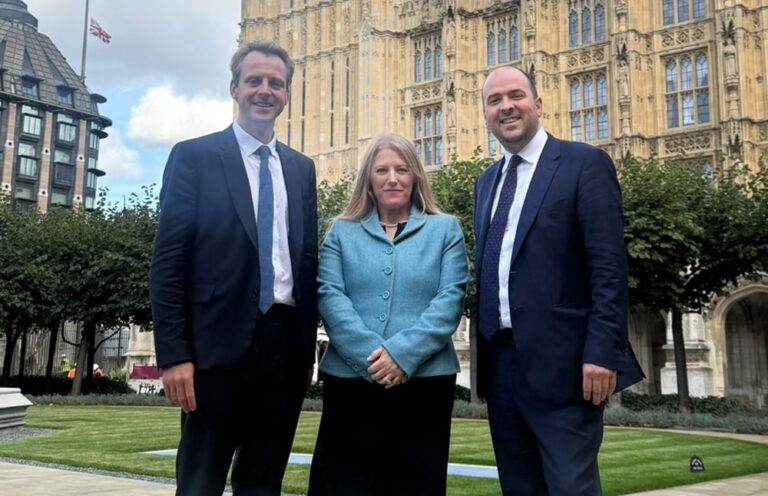
I am encouraged by the commitment shown by our MPs, Joe Robertson and Richard Quigley, who have consistently challenged the ferry operators over pricing, reliability, and reduced timetables. Their willingness to work together demonstrates that affordable and dependable transport should rise above party politics.
I also believe that greater competition and stronger accountability must form part of the long-term solution. A more competitive market, supported by appropriate regulation, would give consumers a stronger voice and create incentives for improvement.
STUG has also been working with those exploring the possibility of an additional cross-Solent service. There is still much work to do, but the prospect of greater choice deserves serious consideration and continued support.
The Department for Transport meetings are only one stage in our campaign. We will continue gathering evidence, challenging unfair practices, and pressing for meaningful reform.
Islanders have been patient for long enough. We cannot continue to accept rising costs, restricted travel opportunities, and services that fail to recognise the realities of Island life. We are not asking for special treatment. We are asking for fair treatment.
And on behalf of STUG’s 13,000-plus supporters, that is the case we will continue making until meaningful change is delivered.
Find us on Facebook and at stug.org.uk