ISLE OF WIGHT MPs URGE PAUSE ON NEW FERRY LEVY OVER COST CONCERNS

Both of the Isle of Wight’s MPs have written to the Labour Government calling for a pause to controversial new ferry charges set to be introduced this Summer, warning they will unfairly impact Island residents and visitors.
In a joint letter sent to the Department for Energy Security and Net Zero, East Wight MP Joe Robertson and West Wight MP Richard Quigley raised concerns about the introduction of the UK Emissions Trading Scheme (ETS) to maritime travel from 1st July.
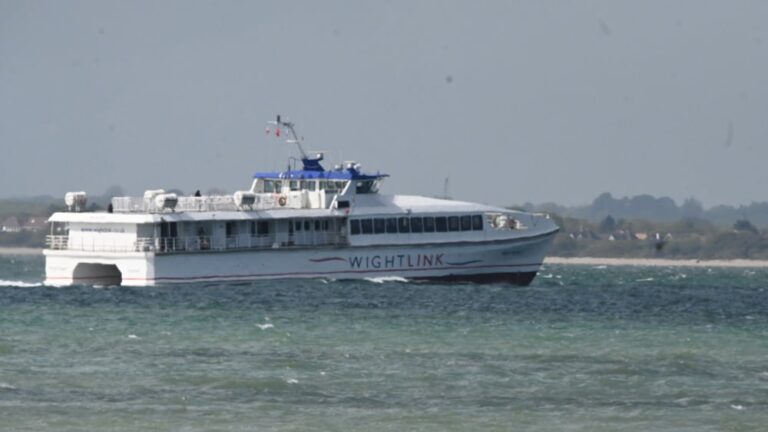
The move, previously reported by Island Echo, will see ferry operator Wightlink add up to £3.50 per return crossing as a separate ETS charge.
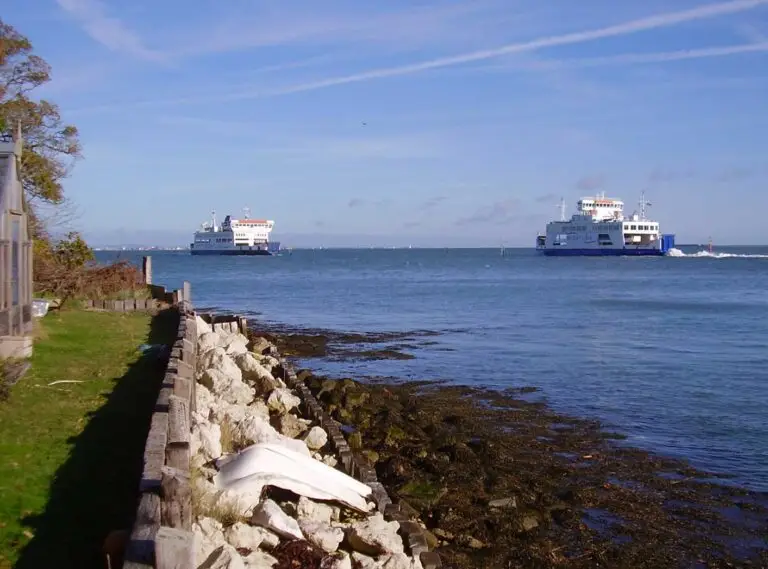
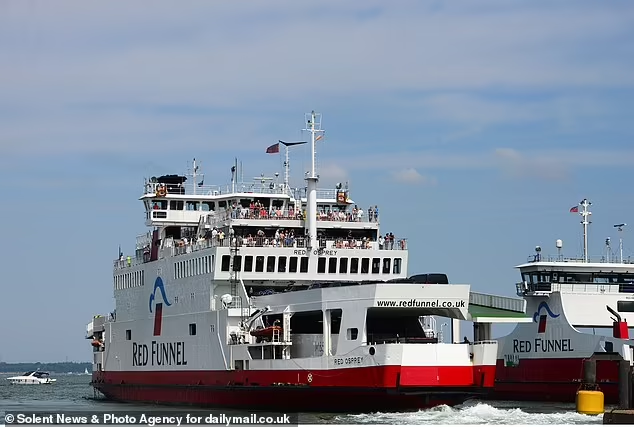
The MPs say the Isle of Wight will be uniquely affected, with the Portsmouth to Fishbourne route expected to fall fully within the scope of the scheme due to vessel size.
They warn this would make it ‘the only ferry route in the entire UK’ subject to the charge in full, despite cross-Solent travel already being among the most expensive in Europe.
In their letter, the MPs acknowledge the environmental aims of the scheme but highlight practical limitations, including a lack of charging infrastructure.
They state there is currently no battery charging grid capacity in Portsmouth or Southampton, and none is expected until the mid-2030s, meaning ferry operators cannot realistically transition away from carbon-emitting vessels in the near future.
Reference is also made to Wightlink’s hybrid vessel, Victoria of Wight, which cannot utilise its battery capabilities for crossings due to the lack of shoreside charging.
The MPs say they have already urged the Government to reconsider the timing of the policy, particularly as discussions are ongoing around ferry affordability. They point to a series of round table meetings being organised by the Department for Transport, led by former Maritime and Coastguard Agency boss Brian Johnson, aimed at addressing long-standing concerns over cross-Solent travel costs.
According to the letter, imposing additional charges at this stage risks undermining the whole purpose of those meetings.
While acknowledging that ferry operators themselves contribute to high prices, the MPs stress that any avoidable extra charges imposed externally should be avoided. They also cite rising fuel costs linked to the Iran conflict as an additional pressure that was not anticipated when the ETS changes were planned.
The MPs are now calling on the Government to pause the implementation of the scheme for Isle of Wight ferry routes, or at the very least delay it until after the affordability discussions have concluded.